Tips for Choosing the Best General Contractor for Your Home Renovation Project
Selecting the best construction professional is essential for a productive home renovation. Homeowners must consider several factors, including background, certifications, and ability to communicate effectively. A thoroughly researched decision can eliminate unnecessary costs and guarantee a smoother process. However, maneuvering through the contractor evaluation process can be overwhelming. Which particular factors should one consider? Which questions are most important during initial consultations? Understanding these elements can greatly impact the remodeling journey.
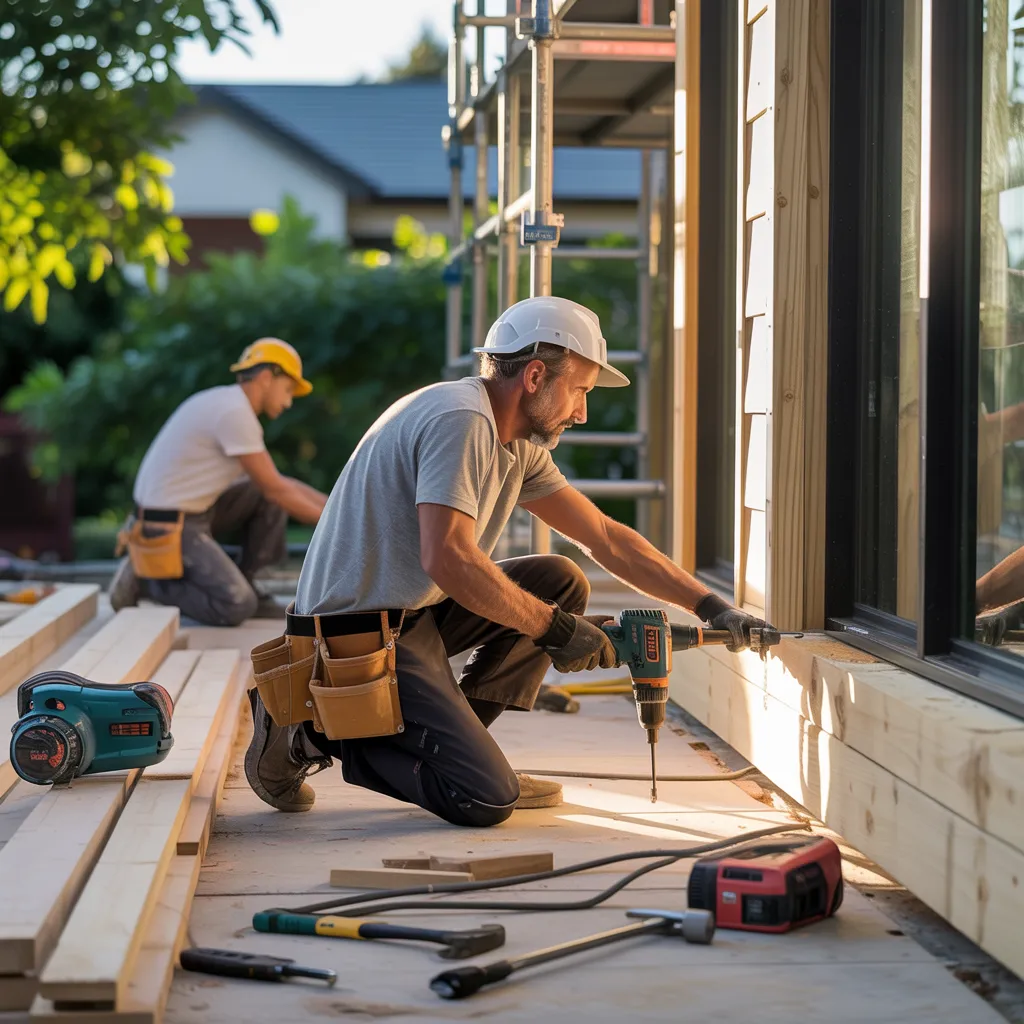
What Experience Do You Need to Look for in a Contractor?
When hiring a professional contractor for residential renovation, it is crucial to evaluate their professional background. A contractor's background can greatly influence the overall quality of the remodeling process. First, homeowners should find contractors with a demonstrated history in comparable projects, guaranteeing knowledge of specific challenges and solutions.
Additionally, years in the industry can reflect a contractor's skill in overseeing timelines, budgets, and subcontractors effectively. Asking to review their portfolio is also recommended, showcasing past work that aligns with the homeowner's vision.
Moreover, contractors who have experience with regional building codes and guidelines can help avoid possible legal concerns. Finally, a contractor's ability to present references from prior clients can offer insight into their dependability and professionalism. By thoroughly assessing these factors, homeowners can form a well-informed choice when picking a general contractor for their renovation project.
How to Verify a Contractor's Credentials and References
How can homeowners guarantee they are hiring a qualified contractor? Checking a contractor's credentials and references is a critical step. Homeowners are advised to begin by checking for valid licensing and insurance, confirming the contractor complies with local regulations. This process can generally be completed through state or local licensing boards. Furthermore, verifying that the contractor carries liability insurance and worker's compensation coverage shields homeowners from potential liabilities.
Next, homeowners should seek references from previous clients. A dependable contractor should present a list of up-to-date projects, along with contact information. Contacting previous clients can offer useful insights about the contractor's professional standards, interpersonal skills, and ability to meet timelines.
Online reviews and ratings found on websites such as Angie's List or Yelp may also supply valuable information. By conducting thorough research and gathering multiple perspectives, property owners can arrive at a knowledgeable conclusion, improving the chances of a successful remodeling project.
Which Questions Are Important to Ask During the First Consultation?
Upon validating a contractor's background and recommendations, homeowners should get ready for the initial meeting by formulating specific queries. Key inquiries should center around the contractor's background in similar projects, including schedules and possible obstacles. Homeowners should additionally inquire about the contractor's method of project oversight and correspondence, ensuring they will receive regular status notifications during the project.
Moreover, discussing the contractor's preferred subcontractors can shed light on the standard of craftsmanship expected. Homeowners must ask about the permits needed and how the contractor oversees inspections. Homeowners are encouraged to ask about the billing timeline and any initial expenses involved. Grasping the contractor's guarantee terms and how they resolve possible concerns post-completion is equally important. By asking these targeted questions, homeowners can assess whether the contractor suits their goals and requirements for the remodeling project.
How to Properly Break Down Project Estimates and Contracts
Dissecting project bids and contracts is crucial for homeowners to understand the financial details of their renovation. Critical elements such as labor, materials, and timelines are major factors in the total expense. Moreover, reviewing agreement details confirms that all involved parties maintain a common understanding of responsibilities and requirements.
Essential Estimate Elements
Understanding the essential components of contractor estimates is essential for homeowners starting on renovations. A complete estimate commonly features labor costs, material costs, and overhead charges. Labor costs indicate the compensation for qualified professionals, which can fluctuate depending on skill level and job scope. Material expenses should itemize quantities and quality, allowing homeowners to assess value and durability. Overhead costs, including permits and insurance, provide insight into the operational expenses of the contractor. Additionally, contingency reserves are often included to cover unanticipated expenditures, promoting a more seamless renovation process. Homeowners and property owners should also prioritize a transparent timeline and payment schedule to establish expectations. Breaking down these aspects allows homeowners make educated choices and encourages transparent communication with their preferred contractor.
Understanding Contract Terms
A thorough understanding of contract terms is crucial for homeowners overseeing renovation projects. Contracts generally detail the scope of work, payment schedules, and timelines, ensuring all parties are aligned. Homeowners should closely examine the itemized estimates, which outline the costs associated with materials, labor, and permits, ensuring clarity. Key terms to consider include change orders, which describe how alterations to the project are addressed and costed. Additionally, homeowners should be aware of warranty terms, which provide coverage for deficiencies in workmanship or materials. Understanding these elements empowers homeowners to make informed decisions and reduces the likelihood of misunderstandings or disagreements during the project, resulting in a more seamless project experience. Proper comprehension of contract terms is crucial for a successful collaboration with contractors.
Understanding the Importance of Communication Style With Your Contractor?
The effectiveness of a homeowner's communication with their general contractor can significantly influence the success of a renovation project. An effective communication approach encourages mutual understanding and guarantees that everyone involved is on the same page regarding budgets, expectations, and timelines. Homeowners need to consider how contractors convey information, such as through emails, scheduled meetings, or regular project updates.
A specialist who listens actively and responds thoughtfully can address anxieties and address issues promptly. Moreover, it is important for clients to feel confident communicating their suggestions and concerns. An open dialogue allows for cooperative effort, which can lead to improved choices and innovative solutions.
When assessing prospective contractors, homeowners should think about how well they can participate in productive discussions. This compatibility in communication styles can considerably elevate the overall renovation experience, ensuring that the project progresses smoothly and fulfills the homeowner's goals. Ultimately, clear communication establishes the foundation for a successful partnership.
What Red Flags Show That a Contractor May Not Be Right for You?
Detecting potential warning signs in a home contractor is essential for a smooth renovation. Inadequate communication approaches and a absence of proper certifications can indicate fundamental flaws that may hinder the project. Residents should exercise caution to guarantee they engage a reliable contractor for their specific needs.
Vague Communication Practices
Strong communication stands as the backbone of every thriving home renovation endeavor. When evaluating a general contractor, unclear communication practices often signal potential issues. Red flags include inconsistent messaging, vague answers to inquiries, and difficulty in scheduling meetings. When a contractor regularly misinterprets project specifications or neglects to deliver progress reports, it calls their dedication and dependability into question. Furthermore, insufficient openness about schedules, expenses, and procedures may suggest poor organization or a lack of professionalism. Contractors should be willing to clarify details and address concerns promptly. A contractor who avoids direct communication or dismisses questions may not prioritize the homeowner's interests, ultimately jeopardizing the project's success. Transparent communication is fundamental to fostering trust and securing a successful renovation outcome.
Lack of Proper Licensing
Clear communication is essential in establishing a productive relationship with a general contractor, but it is equally important to ensure that the contractor holds the required credentials. Improper or missing licensing serves as an important red flag when assessing potential contractors. Licensed contractors are generally required to meet specific state regulations, ensuring that they have the experience and expertise necessary to complete renovation projects safely and effectively. Homeowners must always confirm a contractor's license through local regulatory authorities or online resources. Furthermore, hesitation in providing licensing information or insurance documentation may signal unprofessional behavior. Ensuring that a contractor is properly licensed not only safeguards the homeowner but also supports the overall success of the renovation project.
Frequently Asked Questions
How Do I Find Out if a Contractor Is Insured?
To find out if a contractor carries insurance, one should request insurance verification, which should include both liability coverage and workers' compensation. Reviewing this documentation ensures that the contractor is financially responsible for potential damages or accidents.
How Should I Handle a Contractor Who Misses Deadlines?
Should a contractor overlook scheduled deadlines, the property owner should voice concerns straightforwardly, check the agreement for specific provisions, and document delays. Looking for a resolution via discussion or professional mediation can aid in defining expectations and sustaining project momentum.
What Are My Options for Handling Contractor Disputes?
To address disputes with a contractor, it is advisable to maintain documentation of all interactions, articulate concerns clearly, and pursue resolution through open discussion. Should the matter remain unresolved, consider mediation or legal advice to protect about Cloud Nine Construction one's rights and interests.
Do I Need Specific Permits for My Renovation?
Renovation permits vary based on local regulations and the scope of the project. In most cases, building, electrical, plumbing, or zoning permits will be necessary. Speaking with local authorities confirms compliance and helps circumvent possible legal challenges during renovation.
What Steps Can I Take to Protect My Home Throughout Renovations?
To safeguard a home throughout renovations, it is important to cover floors, seal off work areas, guarantee proper ventilation, protect valuable belongings, and keep open lines of communication with contractors about protective measures and scheduling to limit disturbances.
Comments on “Fresno Home Additions for Garage Conversions”